
by Scott Davis | Jan 27, 2024
Seeds are some of the most powerful foods you can consume. The list of their health benefits is endless. One of these benefits is lowering cholesterol. In today’s article, I’ll list six of the most powerful seeds to lower cholesterol levels. 1. Chia seeds. In two...
by Jodi Knapp | Jan 17, 2024
Hypothyroidism has many subtle symptoms such as lack of energy and increased body weight. But something as serious as sudden heart failure and potential death, that´s not often discussed. A new study in the latest Journal of the American Heart Association, however,...
by Scott Davis | Oct 1, 2022
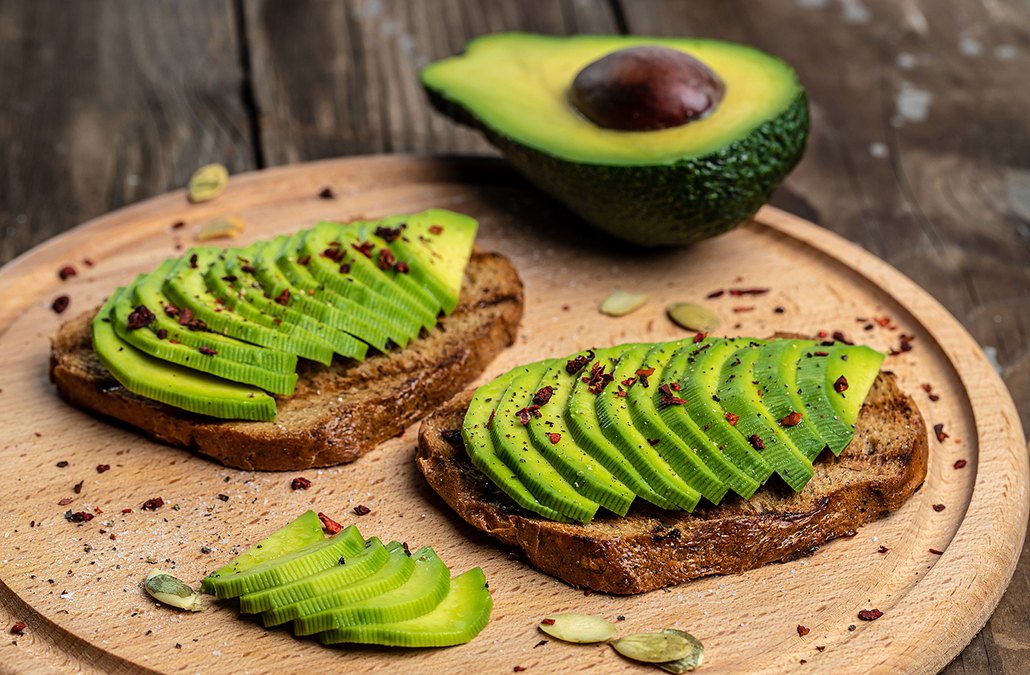
Everyone loves this trendy fruit. It has been praised as a superfood that’s good for your heart and overall health and can aid in weight loss. But it’s also rich in carbohydrates, extremely rich in fats, and massively high in calories, so can it possibly be healthy?...

by Scott Davis | Aug 25, 2022
If you want to cut your heart attack risk by doing something that doesn’t involve dieting, exercise, or giving up bad habits, then researchers at Johns Hopkins University School of Medicine have some good news for you. They’ve found a free, easy, and fun way to get a...

by Scott Davis | Jul 17, 2022
Obesity is as bad for your heart as smoking according to the American Heart Association, which had singled out excess weight as one of the biggest causes of coronary heart disease as long ago as 1998. But haven’t we all tried to lose weight and haven’t most of us...
by Scott Davis | May 24, 2022
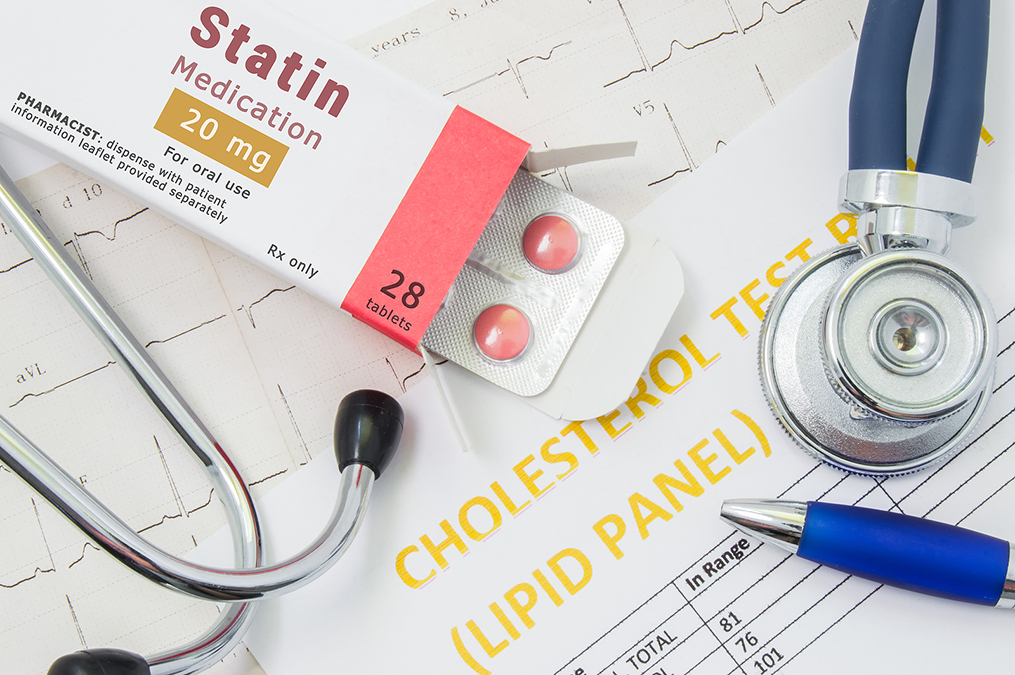
According to a new study published in the journal Neurology, the myth about high cholesterol has probably murdered millions of people. In fact, lowering your cholesterol to the recommended level of 100 mg/dL can increase your risk of having the most dangerous type of...

 Overcoming IBD
 Multiple Sclerosis
 Banishing Bronchitis
 Gum Disease Gone
 Overcoming Onychomycosis
 Neuropathy No More
 The Prostate Protocol
 Brain Booster
 Ironbound
 Solution for Shingles
 The Bone Density Solution
 The Ultimate Healing Protocol
 The Parkinson's Protocol
 The Chronic Kidney Disease Solution
 Overthrowing Anxiety
 The Fatty Liver Solution
 The Hypothyroidism Solution
 The End of Gout
 The Blood Pressure Program
 The Oxigized Cholesterol Strategy
 Stop Snoring And Sleep Apnea Program
 The Arthritis Strategy
 The Vertigo & Dizziness Program
 The 3-Step Diabetes Strategy
 Hemorrhoids Healing Protocol
 The Erectile Dysfunction Master
 Weight Loss Breeze
 The IBS Program
 The Insomnia Program
 The Migraine and Headache Program
 The Neck Pain Solution
 The Menopause Solution
 The Ejaculation Master
 The TMJ Solution
 The Acid Reflux Solution
 The Fibromyalgia Solution
 The Psoriasis Strategy