
 Most doctors immediately reach for heavy drugs to prescribe to people with high blood pressure.
But a new study by Johns Hopkins School of Medicine researchers now shows that they are wrong to do so, as simple dietary changes are much more effective—without the side effects.
The two most common diets recommended for high blood pressure are a low-salt diet and the US National Institutes of Health’s DASH diet.
This research team decided to find out what would happen if people followed both these at the same time.
They gathered 412 adults with high blood pressure. None of the participants were taking blood pressure medications.
They put all of them on the DASH diet for 12 weeks and, during this same period, they randomly put each participant on low, medium, and high sodium diets for four weeks at a time.
The participants experienced an average of 4 – 11 mm Hg reduction in systolic blood pressure when on the DASH diet alone. The higher their original blood pressure was, the more their blood pressure went down.
But when they added the low-salt diet to the DASH diet, they hit the jackpot:
1. Those with a systolic score between 120 and 129 dropped 5 mm Hg.
2. Those with a score between 130 and 139 dropped 7 mm Hg.
3. Those with a score between 140 and 149 dropped 10 mm Hg.
4. Those with a score from 150 upwards dropped 21 mm Hg.
This is genuinely spectacular for two reasons:
Firstly, it works best for those who need it the most, namely, those with the highest blood pressure.
Secondly, beta-blockers and ACE inhibitors, the two most commonly prescribed hypertension drugs, lower blood pressure by only 10 to 15 mm Hg.
This means that dieting is more effective than the drugs doctors prescribe, especially if your blood pressure above 150 mm Hg.
The participants did have their meals prepared strictly according to the two diets, so to achieve these results, you will have to be precise.
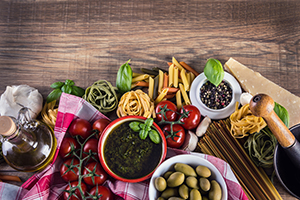
The DASH diet is basically an Americanized version of the Mediterranean diet. It is rich in vegetables and fruits, and it encourages the intake of legumes, nuts, seeds, low-fat dairy, lean meat, fish, poultry and whole grains.
It does not permit refined grains, animal fats, hydrogenated oils, or sugary treats or drinks.
The US Food and Drug Administration recommends a maximum of 2,300 mg of salt per day, but this qualified as medium-salt intake in the study. To meet requirements for the low-salt diet, you should eat no more than 1,150 mg of daily salt.
This means eating almost no processed foods like deli meats, chips, sauces, marinades, soups, sandwich spreads, and so forth.
Now, if this sounds like too big of a dietary adjustment for you, then there is another option that doesn’t require dietary changes.
 Overcoming IBD
 Multiple Sclerosis
 Banishing Bronchitis
 Gum Disease Gone
 Overcoming Onychomycosis
 Neuropathy No More
 The Prostate Protocol
 Brain Booster
 Ironbound
 Solution for Shingles
 The Bone Density Solution
 The Ultimate Healing Protocol
 The Parkinson's Protocol
 The Chronic Kidney Disease Solution
 Overthrowing Anxiety
 The Fatty Liver Solution
 The Hypothyroidism Solution
 The End of Gout
 The Blood Pressure Program
 The Oxigized Cholesterol Strategy
 Stop Snoring And Sleep Apnea Program
 The Arthritis Strategy
 The Vertigo & Dizziness Program
 The 3-Step Diabetes Strategy
 Hemorrhoids Healing Protocol
 The Erectile Dysfunction Master
 Weight Loss Breeze
 The IBS Program
 The Insomnia Program
 The Migraine and Headache Program
 The Neck Pain Solution
 The Menopause Solution
 The Ejaculation Master
 The TMJ Solution
 The Acid Reflux Solution
 The Fibromyalgia Solution
 The Psoriasis Strategy