
 In the past few years, medical scientists have developed a huge interest in the composition and health effects of a specific substance in your stomach and intestines.
The widespread advertising of food products that contain their building blocks shows a huge interest in marketing it for nutrition.
And it all stems from how this nutrient-helper addresses the gut’s ability to produce beneficial fatty acids that destroy high blood pressure, just by eating the right kinds of food.
After noticing the amount of research that suggests that short-chain fatty acids may be able to lower blood pressure, a team of Australian researchers wondered whether it would be possible to stimulate our bodies to produce more of these fats.
An obvious way to do this came to mind.
When certain types of bacteria come into contact with non-digestible carbohydrates, they ferment these carbs. During this process, short-chain fatty acids are released as a byproduct.
The two most common bacteria in your intestines, firmicutes and bacteroidetes, can both produce short-chain fatty acids when they get hold of these carbs.
The only problem is that the common unhealthy Western diet tends to cause an overabundance of firmicutes at the expense of bacteroidetes, while the fats released by bacteroidetes (short-chain fatty acid acetate) may actually be better at regulating blood pressure.
In the study, Australian researchers worked to do two things:
1. Reduce the amount of firmicutes relative to bacteroidetes.
2. Test whether the resulting increase of short-chain fatty acid acetate helps to control blood pressure.
They split mice into three groups: one that received a high-fiber diet, one that received a short-chain fatty acid acetate supplement, and one that received neither.
The groups that received the high-fiber diet and the short-chain fatty acid acetate supplement showed a re-balancing of their gut bacteria.
The results? A clear decline in both systolic and diastolic blood pressure, while the blood pressure of those on the normal diet remained the same.
Their heart muscles also remained thin and flexible. Thickened heart muscles usually lead to heart failure.
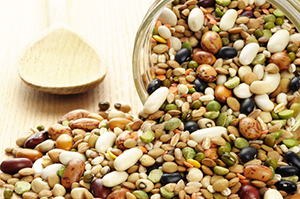
If you want to work on balancing the bacterial balance, eat plenty of whole grains, legumes, and leafy green vegetables. They are perfect sources of fiber.
 Overcoming IBD
 Multiple Sclerosis
 Banishing Bronchitis
 Gum Disease Gone
 Overcoming Onychomycosis
 Neuropathy No More
 The Prostate Protocol
 Brain Booster
 Ironbound
 Solution for Shingles
 The Bone Density Solution
 The Ultimate Healing Protocol
 The Parkinson's Protocol
 The Chronic Kidney Disease Solution
 Overthrowing Anxiety
 The Fatty Liver Solution
 The Hypothyroidism Solution
 The End of Gout
 The Blood Pressure Program
 The Oxigized Cholesterol Strategy
 Stop Snoring And Sleep Apnea Program
 The Arthritis Strategy
 The Vertigo & Dizziness Program
 The 3-Step Diabetes Strategy
 Hemorrhoids Healing Protocol
 The Erectile Dysfunction Master
 Weight Loss Breeze
 The IBS Program
 The Insomnia Program
 The Migraine and Headache Program
 The Neck Pain Solution
 The Menopause Solution
 The Ejaculation Master
 The TMJ Solution
 The Acid Reflux Solution
 The Fibromyalgia Solution
 The Psoriasis Strategy