
 Virtually all prescription drugs carry a risk of side effects, which can range from minor nuisances like an itchy rash, to severely debilitating or fatal consequences.
Sometimes, these drugs even carry a risk of worsening the very problem they are designed and prescribed to treat, leaving a person in worse shape than they already were before taking the medication.
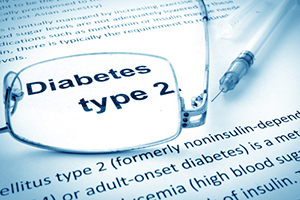
A recent study published in the Journal of Biological Chemistry, highlights one such case. It looked at a potential for disaster involving a certain class of drug, used to treat type 2 diabetes.
Scientists looking at the newly developing trend of using a glucagon-like peptide, or GLP-1, to treat type 2 diabetes are very frustrated at a glaring risk associated with it.
GLP-1 is a natural hormone the body produces after eating that stimulates the release of insulin. Scientists have been able to isolate and reproduce this hormone. However, GLP-1 in its natural form doesn’t last long when it is injected.
So researchers came up with a synthetic form of it that lasts longer in the body. These are called GLP-1 mimetics because they mimic the effect of the hormone in the body.
Here is where it gets confusing – and potentially very dangerous. The drugs are designed to prevent the release of sugars from the liver into the blood stream. But there is a dangerous series of events possible because of GLP-1’s interaction with a molecule in the body called RAMP2.
RAMP2 is present in most people’s bodies, but in unpredictable amounts. In fact, not much is even known about it other than it is necessary for preventing GLP-1 from binding with glucagon receptors. When that bond happens, it tells the liver to release sugar.
The problem arises for diabetics when RAMP2 is either missing or insufficient. Then it can’t block the glucagon receptors, and the GLP-1 binds with them. This stimulates the liver to release sugar, which is the opposite of what should be happening for a type 2 diabetic.
It’s not as critical with natural GLP-1 because of the extremely brief time it is active in the body. But GLP-1 mimetics last much longer and have an exponentially higher opportunity to find and bind with the glucagon receptors.
Not enough is even known about the interactions between RAMP2, GLP-1, and glucagon to be able to say definitively what the actual risk is. Drug makers would take this as ambiguous at best and say until actual bad events come in, and with enough frequency, no news must be good news.
Critics say this is a dangerous gamble to take with people’s lives, and to not inform them of the risk is incredibly irresponsible.
Either way, it is clear that reversing type 2 diabetes naturally, without medications, is the only guaranteed way to avoid side effects. No meds, no problems.
 Overcoming IBD
 Multiple Sclerosis
 Banishing Bronchitis
 Gum Disease Gone
 Overcoming Onychomycosis
 Neuropathy No More
 The Prostate Protocol
 Brain Booster
 Ironbound
 Solution for Shingles
 The Bone Density Solution
 The Ultimate Healing Protocol
 The Parkinson's Protocol
 The Chronic Kidney Disease Solution
 Overthrowing Anxiety
 The Fatty Liver Solution
 The Hypothyroidism Solution
 The End of Gout
 The Blood Pressure Program
 The Oxigized Cholesterol Strategy
 Stop Snoring And Sleep Apnea Program
 The Arthritis Strategy
 The Vertigo & Dizziness Program
 The 3-Step Diabetes Strategy
 Hemorrhoids Healing Protocol
 The Erectile Dysfunction Master
 Weight Loss Breeze
 The IBS Program
 The Insomnia Program
 The Migraine and Headache Program
 The Neck Pain Solution
 The Menopause Solution
 The Ejaculation Master
 The TMJ Solution
 The Acid Reflux Solution
 The Fibromyalgia Solution
 The Psoriasis Strategy
After I stopped doing aerobics in the gym, I gained weight 29 pounds. On weekends I eat twice. but now in 2015 I managed to lose weight 27 pounds on a diet that site here http://3bestdiets.com/w