My name is Scott Davis.
I'm one of the five people who started Blue Heron Health News back in 2008, and most days you'll find me exactly where I've been for the better part of two decades — buried in medical journals, cardiology textbooks, and peer-reviewed studies, hunting for the things mainstream medicine would rather you didn't know.
I didn't get into this work because it sounded like a nice career. I got into it because a heart attack nearly killed me.
I was 93% blocked. Lying in that hospital bed, the cardiologist looked at me with the kind of face doctors save for the people they've already written off. He told me I was going to die — permanently this time — unless I started swallowing the prescriptions he was about to write.
I took the prescriptions. And then, the stubborn son of a gun that I am, I flushed every last one of them down the toilet.
I'd like to tell you I felt brave doing it. I didn't. Walking out of that hospital, all I could think about was my wife. My kids. My grandchildren. What if the doctors are right? What if I'm committing suicide by not taking their drugs? That fear didn't go away for a long time. I just decided to be afraid and keep going anyway.
What I found in the months that followed — about oxidized cholesterol, about what really clogs an artery, about how a $22 billion industry quietly buries the studies that don't fit its story — became The Oxidized Cholesterol Strategy. It's the first of five programs I've now written for Blue Heron readers, alongside The Prostate Protocol, The Acid Reflux Solution, the Hemorrhoids Healing Protocol, and The Ultimate Healing Protocol.
I'm not a doctor. I don't run a clinic. I'm a writer and a researcher — born in Australia in 1962, raised on the idea that you ought to read the studies yourself before you let anyone hand you a pill bottle. What I do is dig. I read the journals. I follow the citations. I find the parts the drug reps don't put on the glossy handouts. And then I sit down and try to write it all out the way I'd want a friend to explain it to me — plainly, honestly, and with a plan I can actually follow on a Tuesday morning.
Everything I write comes back to the same handful of faces around my dinner table. They're the reason I started this fight. They're the reason I'm still in it.
Stay healthy,
Scott






 Overcoming IBD
 Multiple Sclerosis
 Banishing Bronchitis
 Gum Disease Gone
 Overcoming Onychomycosis
 Neuropathy No More
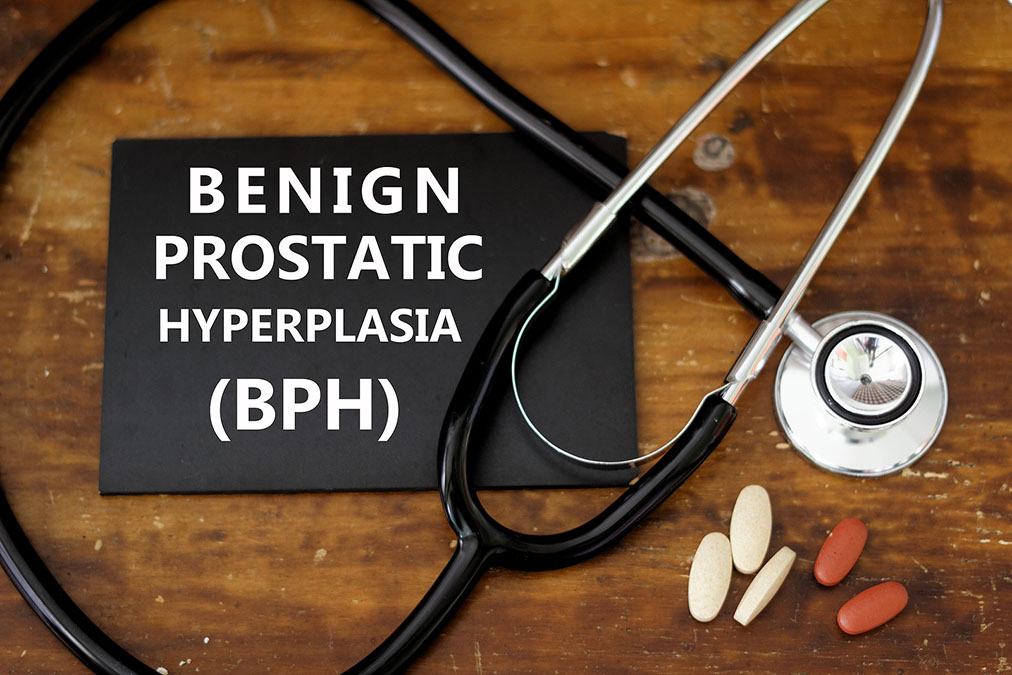
 The Prostate Protocol
 Brain Booster
 Ironbound
 Solution for Shingles
 The Bone Density Solution
 The Ultimate Healing Protocol
 The Parkinson's Protocol
 The Chronic Kidney Disease Solution
 Overthrowing Anxiety
 The Fatty Liver Solution
 The Hypothyroidism Solution
 The End of Gout
 The Blood Pressure Program
 The Oxigized Cholesterol Strategy
 Stop Snoring And Sleep Apnea Program
 The Arthritis Strategy
 The Vertigo & Dizziness Program
 The 3-Step Diabetes Strategy
 Hemorrhoids Healing Protocol
 The Erectile Dysfunction Master
 Weight Loss Breeze
 The IBS Program
 The Insomnia Program
 The Migraine and Headache Program
 The Neck Pain Solution
 The Menopause Solution
 The Ejaculation Master
 The TMJ Solution
 The Acid Reflux Solution
 The Fibromyalgia Solution
 The Psoriasis Strategy